In This Article
Overview
Smart home planning should begin before electrical and low-voltage decisions are finalized. In a luxury custom residence, technology touches architecture, lighting, security, climate control, entertainment, networking, and daily routines. Planning those systems early can make the finished home easier to use and can reduce the need for visible equipment, late wiring changes, or disconnected controls.
For Versailles Luxury Homes, smart home integration belongs within the broader custom-home process. The objective is not to add technology for its own sake. It is to coordinate the infrastructure and controls that support how the homeowner expects to live, while keeping the architecture, interiors, and construction work aligned.
Start With the Home
The right approach begins with the home itself. Room layouts, ceiling conditions, windows, door locations, equipment spaces, mechanical systems, lighting plans, and finish selections can all affect technology decisions. When these elements are considered together, the technology can become part of the design rather than an afterthought.
During the design stage, homeowners can identify the experiences they want to control from one place. Examples may include arrival lighting, evening entertaining, sleeping routines, privacy settings, temperature preferences, media use, or exterior lighting. These use cases give the design team practical information for deciding where controls, equipment, and infrastructure should be located.
Plan Lighting and Shading Early
Lighting is often one of the most visible areas of smart-home integration. Control strategies can be planned around room use, natural daylight, entertaining, security, and nighttime routines. Scenes can allow several fixtures or areas to respond together, while local controls still provide familiar day-to-day operation.
Motorized shades should also be coordinated with architecture and interiors. Shade pockets, power, controls, window dimensions, furniture layouts, and solar exposure can influence the final installation. Early coordination helps the design team account for these details before walls, ceilings, and finished millwork are complete.
Build a Reliable Network Foundation
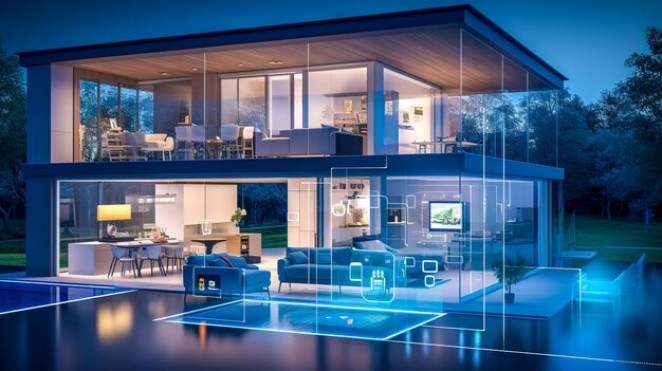
A connected luxury home depends on a reliable network foundation. Wi-Fi coverage, structured cabling, equipment locations, access points, communications pathways, and technology closets can be addressed during planning. The goal is a residential infrastructure that can support connected devices and future additions without relying on improvised solutions.
The physical environment should remain the priority. Architectural details such as stone walls, custom millwork, specialty ceilings, large glazing, and carefully detailed corridors may affect where technology can be located. Early coordination creates opportunities to conceal wiring and equipment while protecting access for maintenance and future service.
Coordinate Security and Access
Security planning may include cameras, access control, alarms, door monitoring, and other systems appropriate to the residence. The exact combination depends on the property, homeowner priorities, selected products, and project scope. Planning the locations and infrastructure early can improve concealment, service access, and coordination with architectural details.
Clear system responsibility is also important. A custom-home builder may coordinate requirements with architects, electricians, low-voltage contractors, security specialists, network professionals, and other technology partners. Documenting who supplies, installs, configures, tests, and supports each portion of the system can reduce gaps between trades.
Integrate Audio, Video, and Media
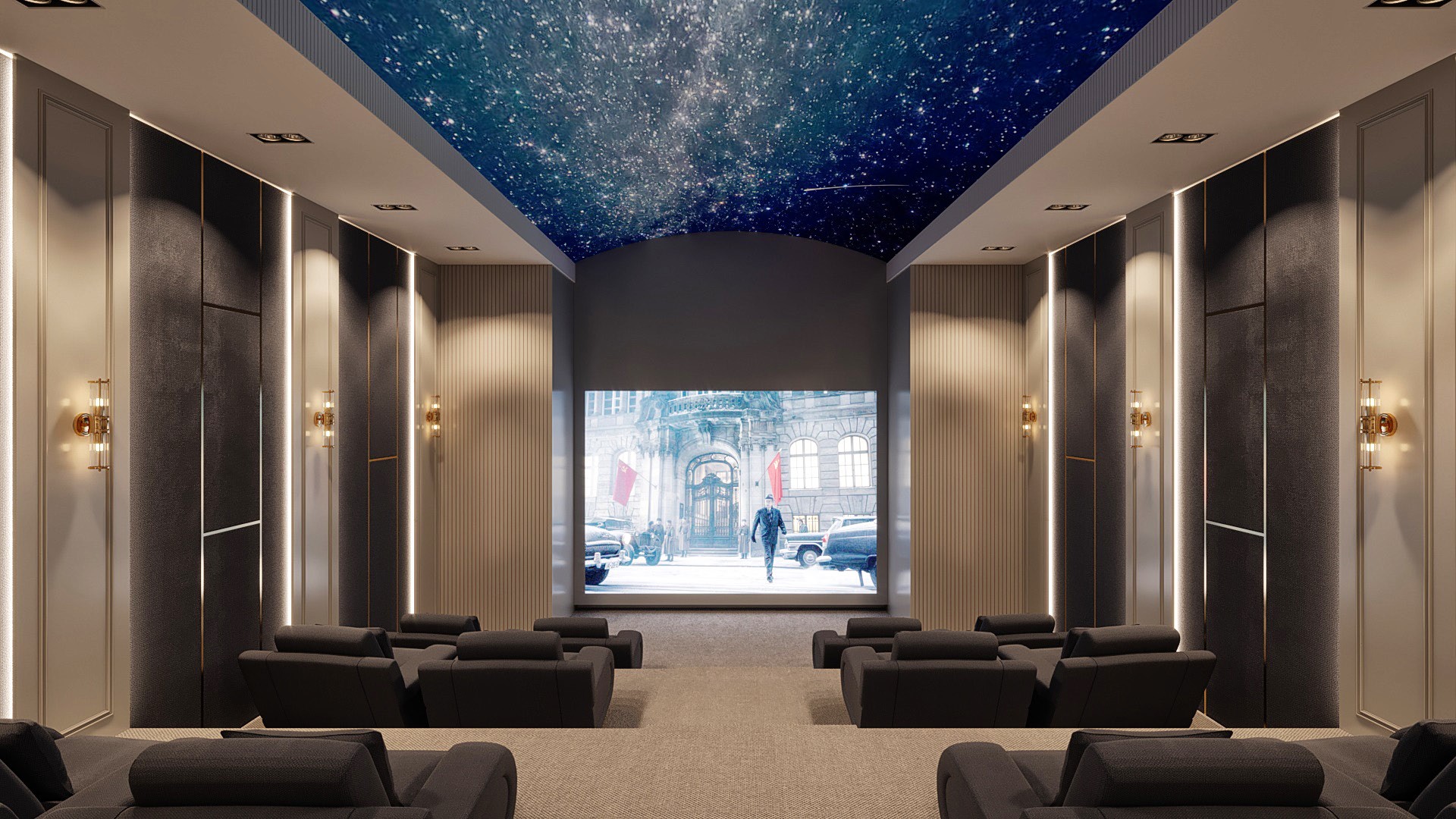
Audio and video systems are another area where early planning makes a difference. Media rooms, televisions, distributed audio, outdoor entertainment, speakers, displays, equipment racks, and control points all have physical requirements. Coordinating those requirements during design can help maintain clean sight lines and avoid unnecessary visible equipment.
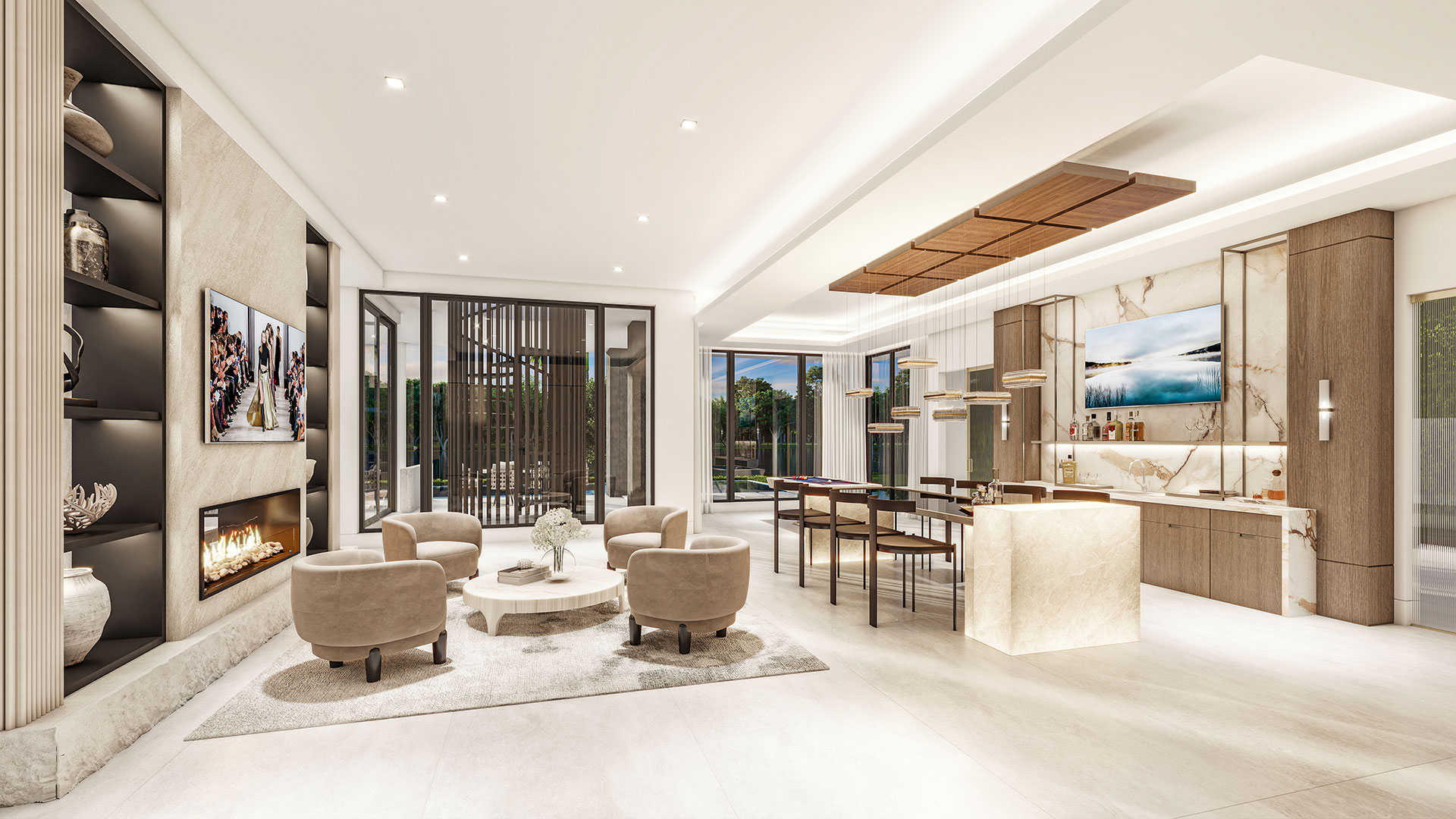
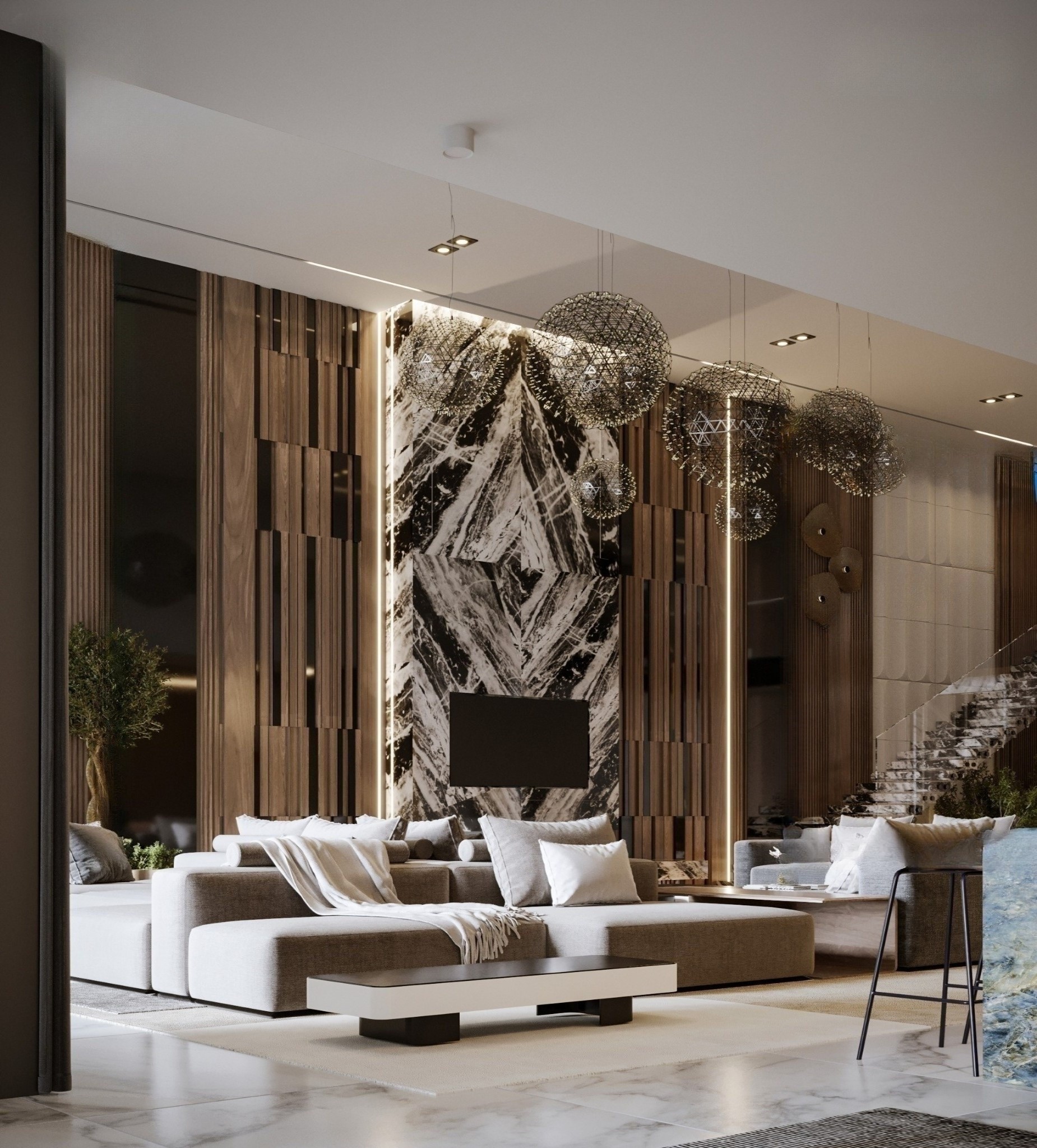
Luxury interiors also benefit from thoughtful control placement. A beautifully designed room can be undermined by poorly located switches, visible equipment, or incompatible controls. Coordination between interior design and technology planning can help align control locations with circulation, furniture, decorative elements, and the intended visual character of each room.
Coordinate Climate and Energy Management
Climate technology can be coordinated with the home's mechanical systems and the homeowner's preferences. Smart thermostats, zoning controls, scheduling, monitoring, and related connected functions can provide additional visibility and convenience when they are compatible with the selected HVAC equipment and control architecture.
Energy management can also be incorporated where appropriate. Homeowners may want greater visibility into energy use, connected equipment, or future-ready infrastructure. The appropriate solution should be based on the project's actual electrical, mechanical, and technology design rather than on a generic technology package.
Outdoor spaces deserve the same level of planning. Covered patios, pools, outdoor kitchens, landscape lighting, entertainment areas, gates, and exterior security devices may require power, communications, controls, and weather-appropriate equipment. Including those requirements during the design and construction process can reduce conflicts between landscape, architectural, electrical, and low-voltage work.
Define Responsibilities and Milestones
Technology planning should continue through construction. Equipment locations, rough-ins, backing, pathways, power requirements, network connections, and finish conditions need to remain aligned as the project develops. Coordination at the appropriate milestones can help catch conflicts before they become expensive corrections.
For projects that include specialized technology partners, the builder's coordination role can be especially important. The technology scope should be documented, responsibilities should be clear, and installation milestones should align with construction activities. This creates a more orderly handoff from design decisions to rough-in work, finish installation, testing, and final homeowner orientation.
Design for Future Flexibility
Future flexibility should also be considered without promising specific technologies that may change. Pathways, equipment space, network capacity, electrical capacity, and accessible service locations can help a home adapt as products and homeowner needs evolve. A thoughtful infrastructure strategy can be more durable than designing around a single device or platform.
A well-planned smart home is also easier for the homeowner to understand. Controls should be intuitive, critical systems should remain accessible, and the finished installation should reflect the household's priorities. Sophisticated technology is most useful when it simplifies the experience rather than requiring constant attention.
Smart home integration is therefore less about individual gadgets and more about coordinated residential infrastructure. The strongest result comes from connecting architectural planning, electrical and low-voltage requirements, interior design, mechanical systems, security, entertainment, and homeowner preferences into one project conversation.
For a luxury custom home in the Dallas-Fort Worth area, early technology planning can create a foundation that supports comfort, security, convenience, and future flexibility. Versailles Luxury Homes can coordinate these considerations as part of the larger custom-home process, with final systems and responsibilities defined around the specific project and the professionals involved.
Smart home planning works best when technology is coordinated with the home itself, not added as an afterthought.
Key Takeaways
- Begin smart home planning while architecture, electrical, and interior decisions are still being coordinated.
- Consider lighting controls and motorized shades alongside room layouts, windows, furniture, and finish conditions.
- Plan networking, equipment locations, communications pathways, and technology spaces before construction is complete.
- Define technology responsibilities among the builder, design team, electricians, low-voltage trades, integrators, and other specialists.
- Coordinate security, audio-video, climate, energy, and outdoor technology with the physical requirements of the residence.
- Use infrastructure planning to preserve flexibility as homeowner needs and technology products change.
- Keep the finished experience intuitive, visually integrated, serviceable, and aligned with the household's priorities.
Related Pages
- Smart Home Integration
- Custom Home Design Services
- Luxury Home Construction Services
- View Our Portfolio
- Contact Versailles Luxury Homes
Further Reading
- CEDIA
- National Fire Protection Association